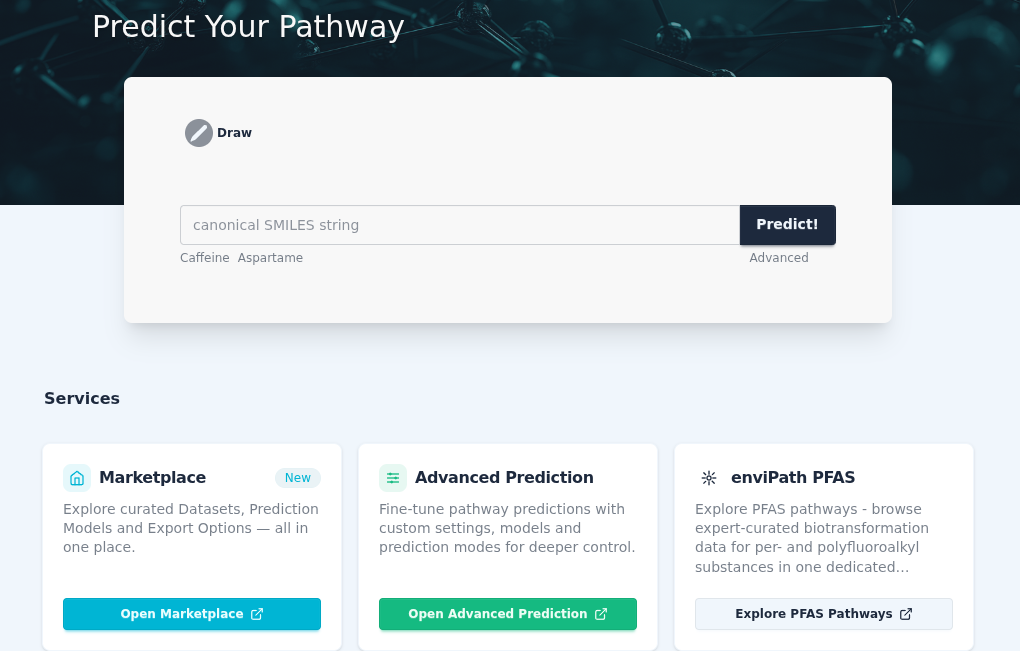
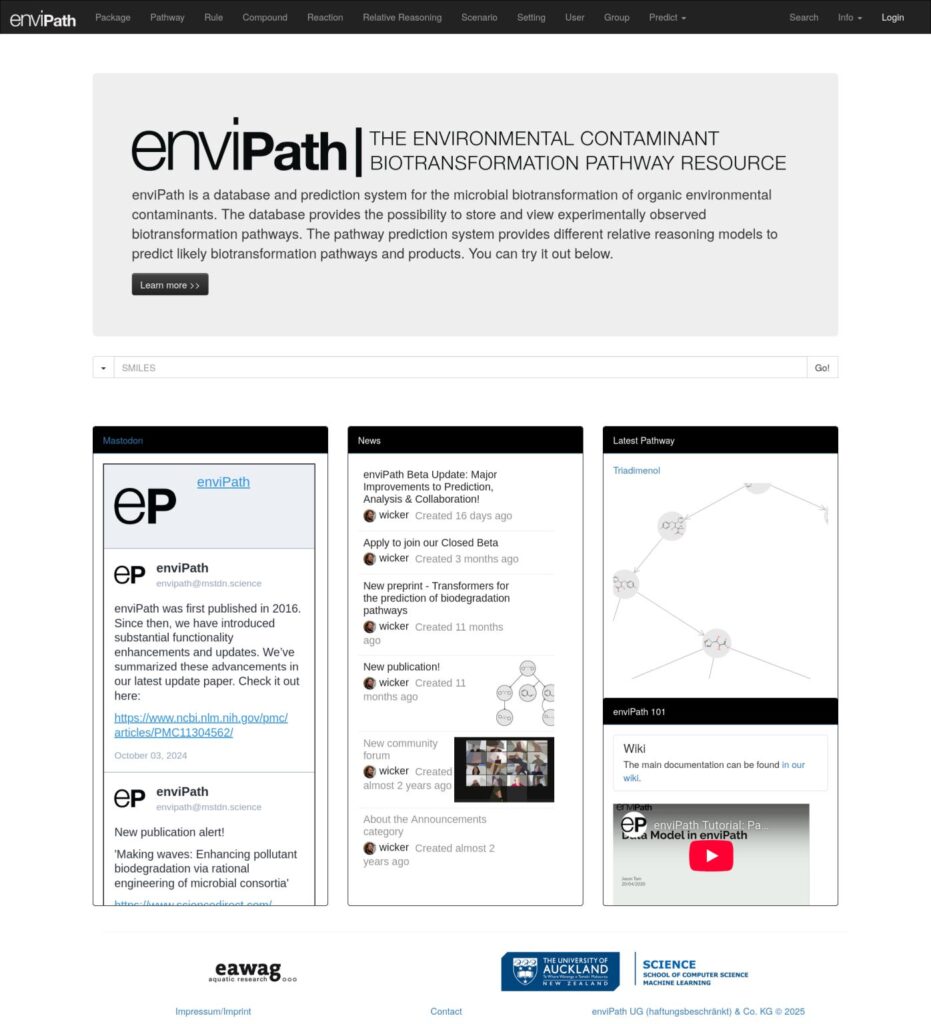
enviPath builds on more than two decades of research and innovation by its founders and team. Our products are grounded in over 20 years of peer‑reviewed scientific work, combining modern software architecture with intuitive interfaces, machine learning, and AI-driven approaches to tackle critical challenges in chemistry. Founded in 2024 in Aotearoa New Zealand by Tim Lorsbach and Joerg Wicker, enviPath brings together an experienced team of chemists, software engineers, and machine learning researchers dedicated to transforming complex chemical knowledge into powerful, accessible tools.
November 2026
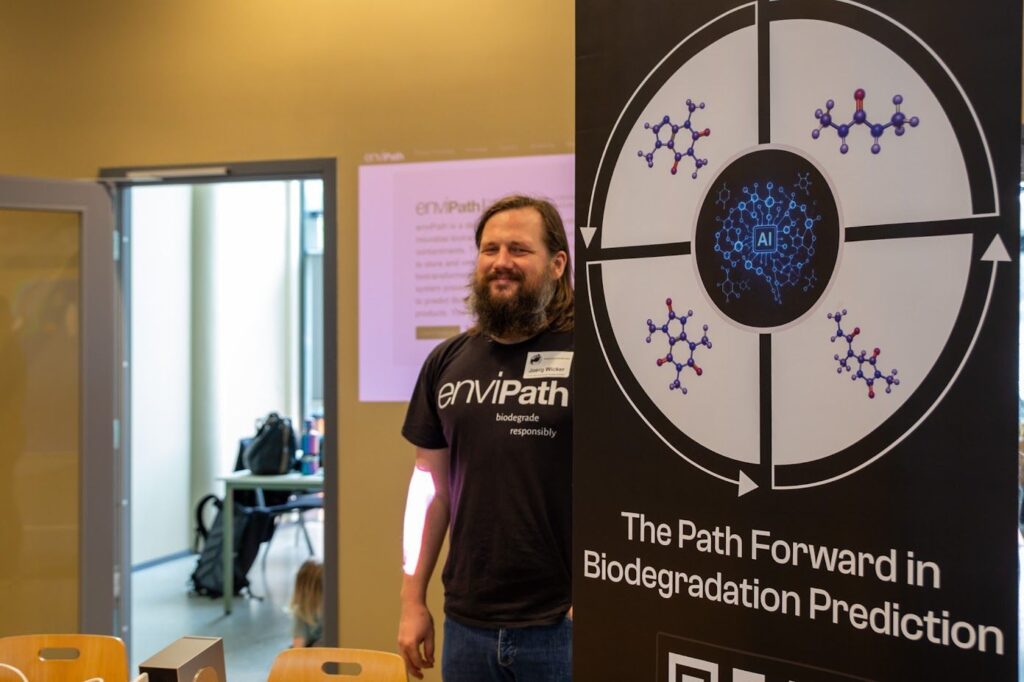
enviPath at SETAC North America in Montreal!
October 2026
New release! Including QAF and new flexible pricing options.
May 2026
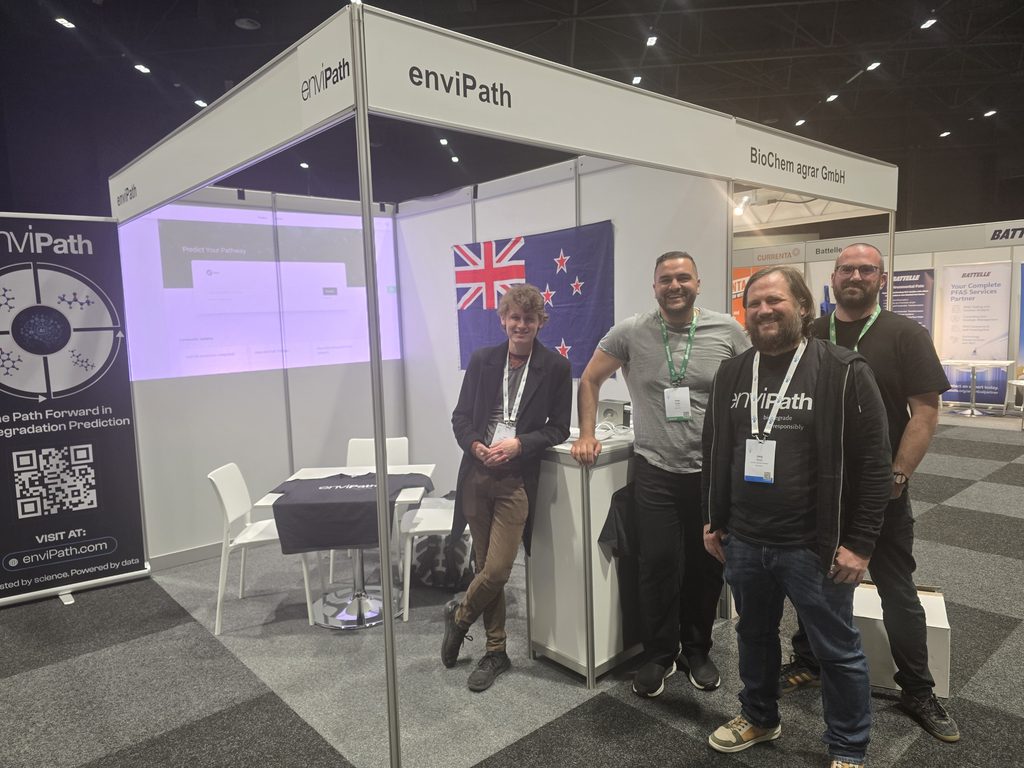
enviPath at SETAC Europe Meeting in Maastricht!
April 2026
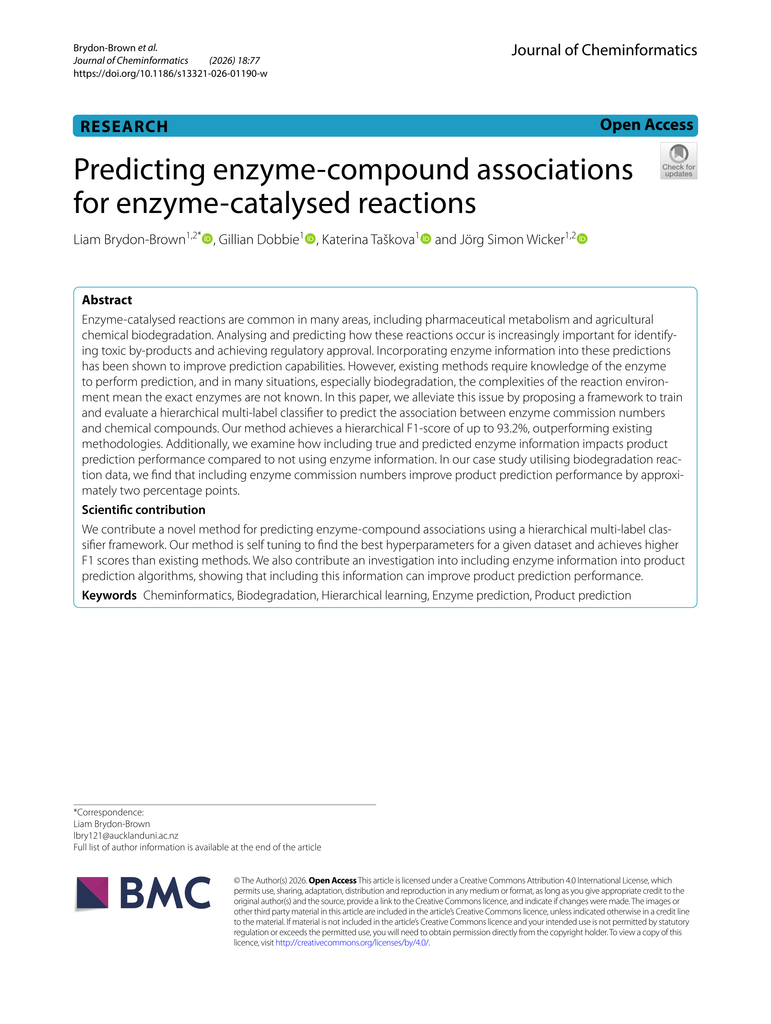
Publication: Predicting enzyme-compound associations for enzyme-catalysed reactions
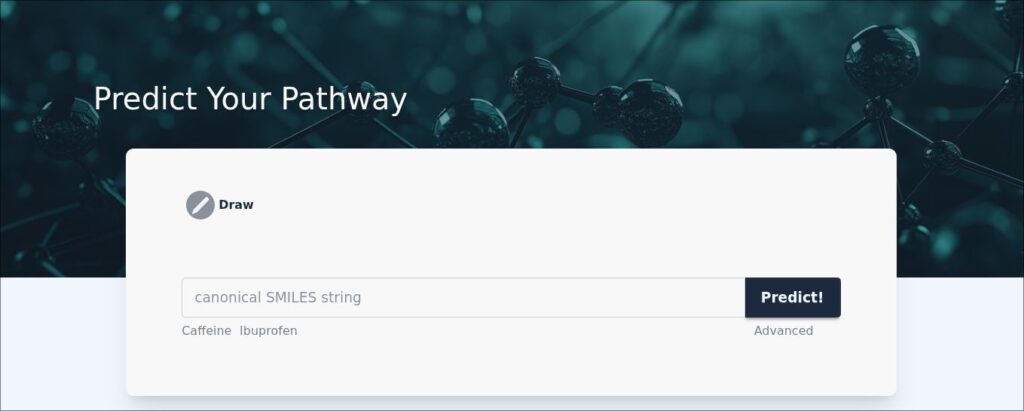
enviPath 2.0 released! Now enviPath is way faster in predicting, loading, and browsing; is more stable, with fewer crashes and fewer bugs; integrates our research of the last 10 years – and there is even more to come in the next weeks; has an advanced queuing system, so your predictions do not get lost, and resources are distributed fairly among users; scales up; looks much better – the whole system got a much-needed facelift!
November 2025
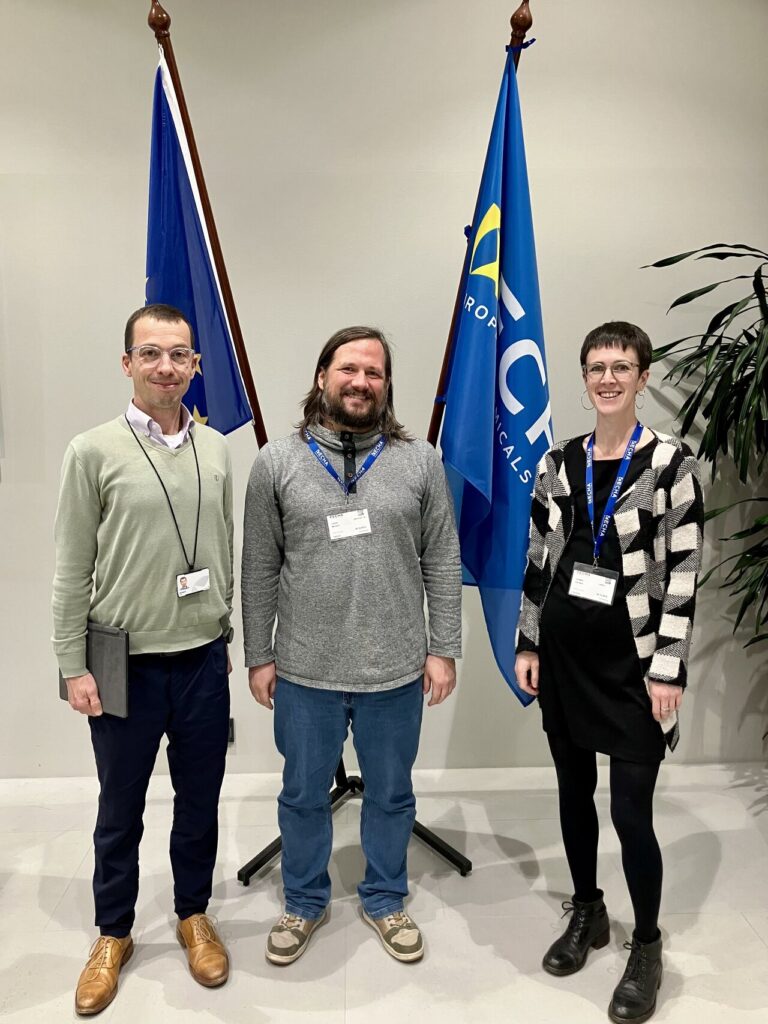
enviPath showcase at the European Chemical Agency (ECHA) in Helsinki.
August 2025
enviPath at the Norwegian Environmental Toxicology Symposium (NETS) in Stavanger.
May 2025
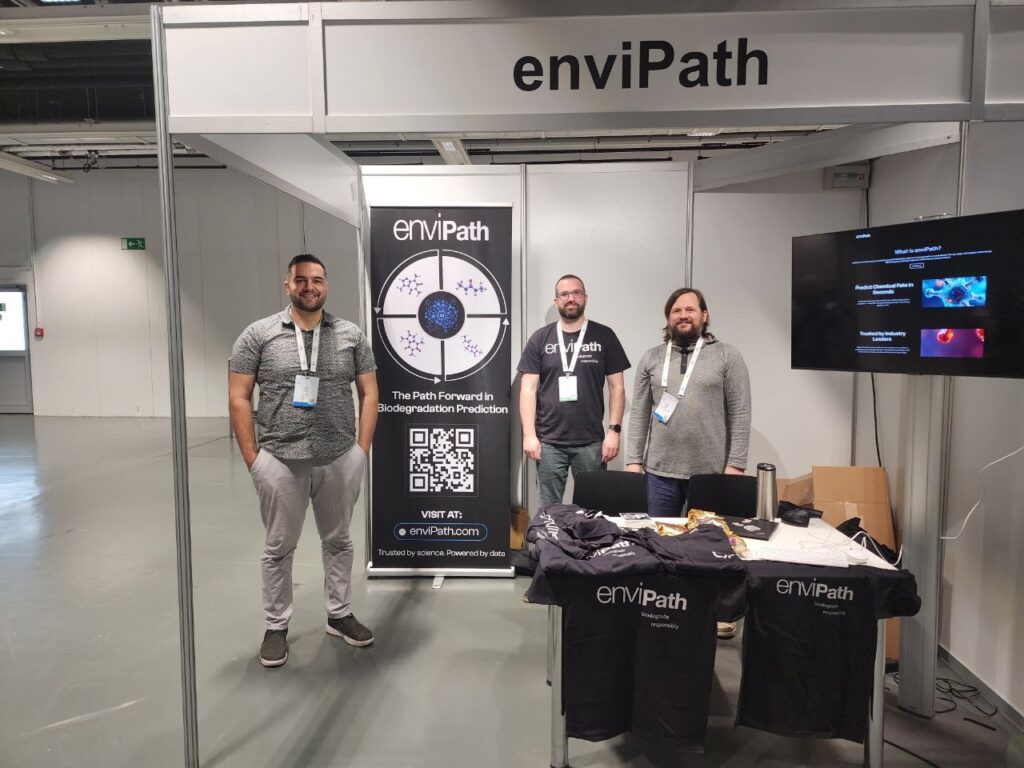
enviPath at SETAC Europe 2025 in Vienna with a booth and co-hosting a workshop.
February 2025
UniServices invests into enviPath.
February 2025
Publication: Predictive modeling of biodegradation pathways using transformer architectures.
17 October 2024
enviPath Limited incorporated in New Zealand.
August 2024
Publication: Advancements in biotransformation pathway prediction: enhancements, datasets, and novel functionalities in enviPath
September 2021
Publication: Holistic evaluation of biodegradation pathway prediction: assessing multi-step reactions and intermediate products
February 2017
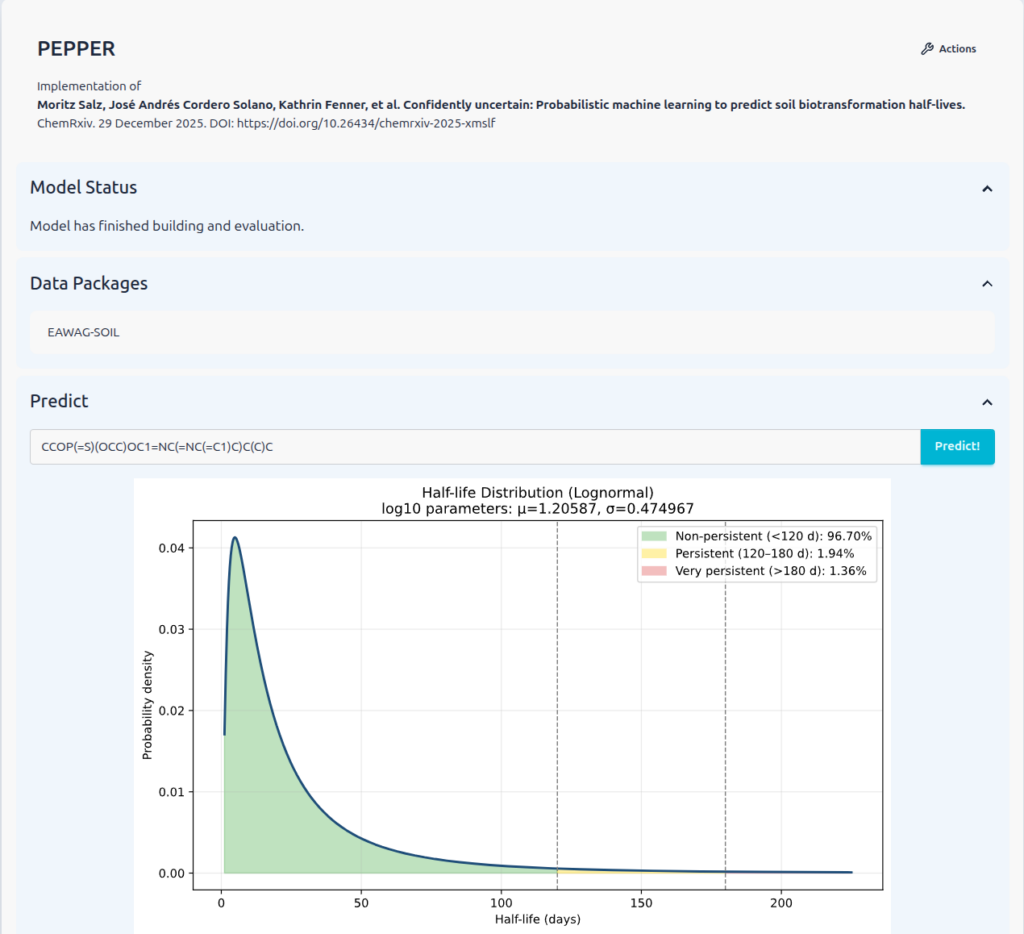
Publication: Eawag-Soil in enviPath: a new resource for exploring regulatory pesticide soil biodegradation pathways and half-life data
April 2016
Publication: A Hybrid Machine Learning and Knowledge Based Approach to Limit Combinatorial Explosion in Biodegradation Prediction
January 2016
Publication: enviPath – The environmental contaminant biotransformation pathway resource
December 2015
First release of enviPath
January 2010
Publication: Predicting biodegradation products and pathways: a hybrid knowledge- and machine learning-based approach