
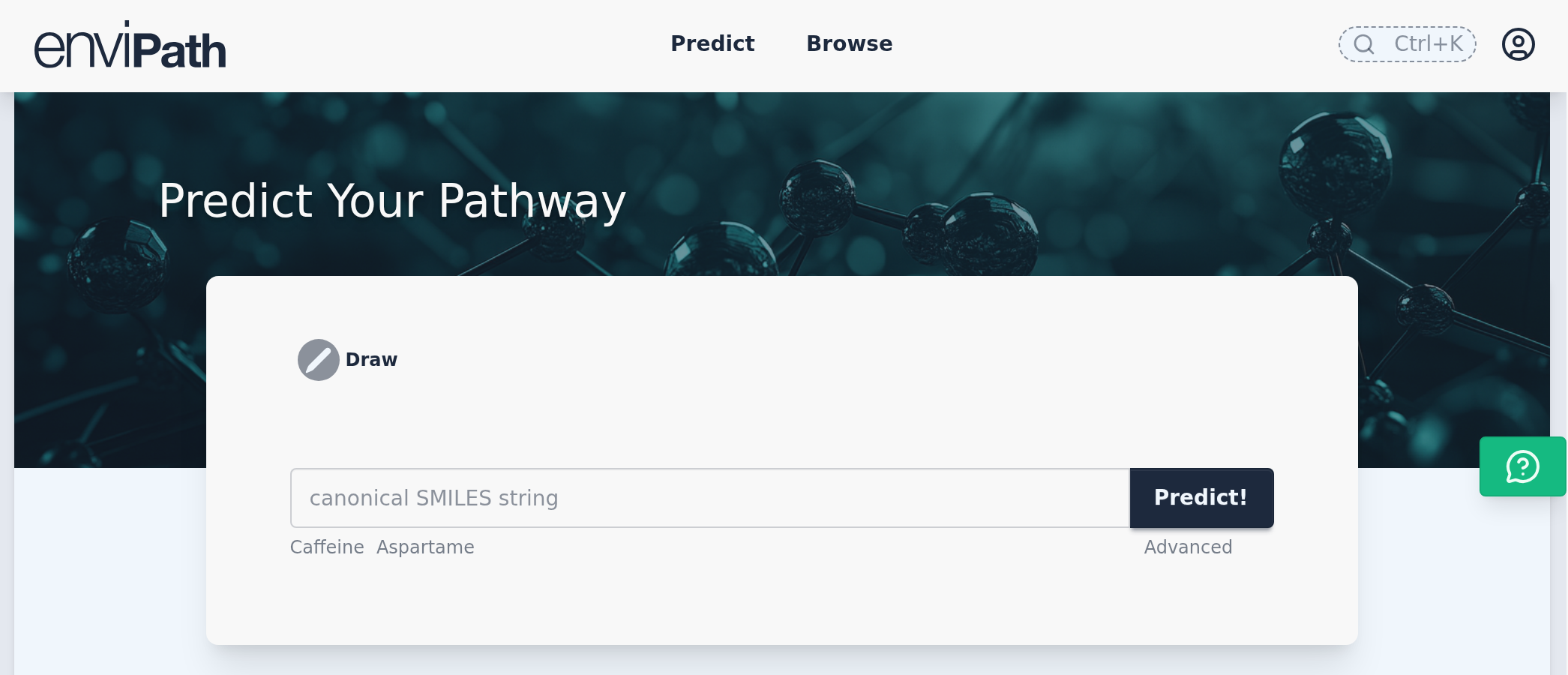
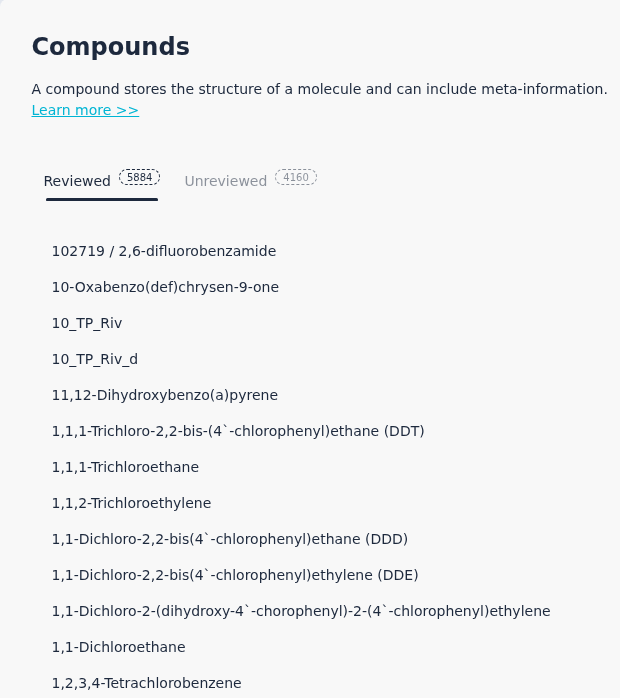
The enviPath Base System is the core foundation of the entire enviPath platform—a powerful, high‑performance database engineered to store, organize, and manage chemical structures, compounds, biotransformation rules, and related metadata. As the central hub for every workflow within enviPath, it ensures data consistency, seamless integration, and reliable performance across all modules and premium extensions. Whether you are modelling biodegradation pathways, running predictive algorithms, or managing collaborative research, the Base System provides the essential chemical data backbone that makes it all possible. Because every enviPath product depends on this unified information infrastructure, the Base System is required for all additional components and serves as the starting point for building your complete enviPath solution.
In addition to managing your own data, the Base System provides access to curated, high‑quality reference datasets available under a commercial license. These include well‑established resources such as Eawag‑BBD, Eawag‑Soil, Eawag‑Sediment, and Eawag‑Sludge, enabling users to immediately leverage authoritative biodegradation knowledge within their workflows. This integrated data access significantly accelerates model development, validation, and regulatory assessments.
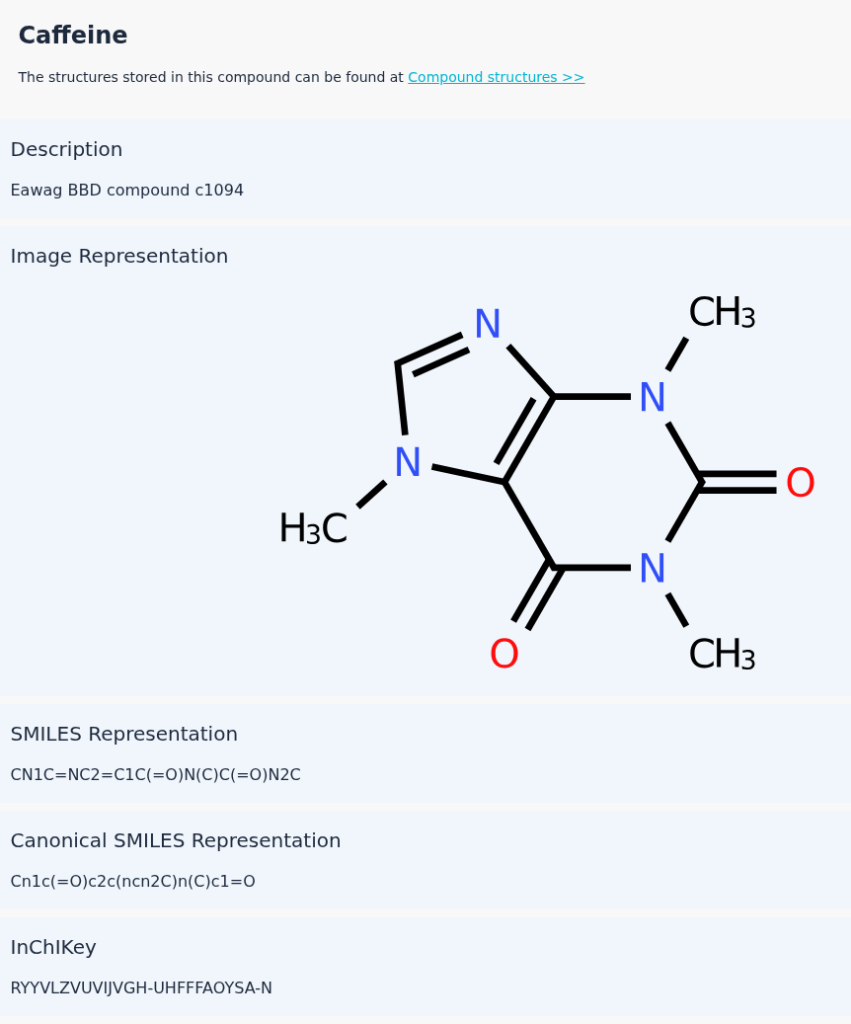
Access to stored chemical and reaction data is streamlined through multiple integration options designed for industrial workflows. Day‑to‑day users can work efficiently with a clean, intuitive web interface, while engineering and data teams can integrate enviPath directly into automated processes using the REST API or the official Python client. The underlying data model is highly flexible, supporting not only biodegradation pathways but also chemical structures, reaction networks, metabolites, experimental records, and operational or environmental parameters. This adaptability allows enviPath to serve as a central, scalable repository that fits seamlessly into existing systems and supports evolving compliance, stewardship, and digitalization needs across the organization.